Extramuscular disease can shape prognosis
Patterns of organ involvement vary across AIM subtypes, and distinct autoantibody profiles are associated with different clinical phenotypes, organ risks, and prognostic implications. This makes careful assessment of extramuscular manifestations important for risk stratification and multidisciplinary care.1,3,4
Cutaneous manifestations
Cutaneous manifestations may include rashes, itch, inflammation, or ulceration. In dermatomyositis, skin disease can be a prominent feature, and chronic inflammation may lead to persistent complications such as calcinosis.1
Arthritis and arthralgia
Arthritis and arthralgia are common in patients with AIM and may contribute to pain and reduced mobility. Arthritis generally affects small hand joints, as well as the wrist, hip, knee, and ankle.1,5,6
Gastrointestinal involvement
Gastrointestinal involvement may include dysphagia, with an overall estimated prevalence in patients with AIM of 36% globally. Dysphagia is associated with poor prognosis and decreased quality of life.7-9
Cardiac manifestations
Cardiac manifestations, including myocarditis or cardiomyopathy, may occur in AIM and are important to recognize because of their potential impact on morbidity and mortality.10
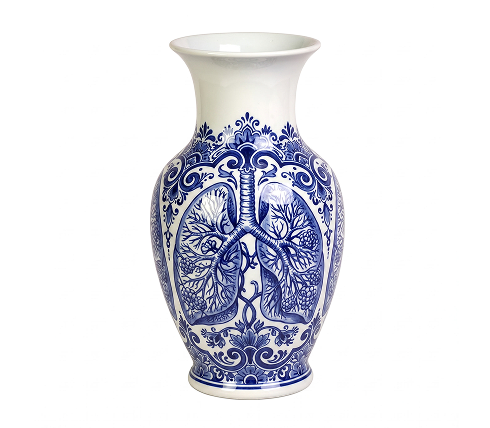
Pulmonary disease
Pulmonary disease, particularly ILD, is one of the most common extramuscular complications in AIM. Approximately 40% of cases have accompanying ILD, and associated opportunistic infections can cause morbidity and mortality.11,12
To go from the healthiest, most active point in my life to barely able to move and struggling to breathe in just over 3 months was life altering to say the least.
Patient quote13

AIM may be fatal
As a long-term, chronic condition, AIM is often associated with significant comorbidities, mainly resulting from tissue damage accrual, which place an additional burden on patients' lives and limits their productivity and wellbeing, as well as contributing to the risk of mortality.2,14
Although outcomes have improved with earlier diagnosis and treatment, mortality is still considerably higher than that of the general population. Predominant causes of death in patients with AIM are malignancy, cardiovascular disease, lung complications, and infections.2,15
Continue exploring the burden of AIM
Extramuscular disease is one part of the multidimensional burden of AIM. Explore how muscular weakness, and quality-of-life impacts contribute to the broader patient experience.1
Muscular weakness and disability
Learn how AIM-related muscle weakness can affect everyday activities, independence, mobility, and long-term physical function.1,15
QoL and emotional/social impact
Understand how AIM can affect independence, work, relationships, mental health, and caregiver burden.15–18
Abbreviations:
AIM, autoimmune myositis; DM, dermatomyositis; ILD, interstitial lung disease; PM, polymyositis; QoL, quality of life.
References:
1. Lundberg IE, et al. Nat Rev Dis Primers. 2021;7:86; 2. Khoo T, et al. Nat Rev Rheumatol. 2023;19(11):695–712; 3. Betteridge ZE, et al. Arthritis Res Ther. 2011;13(3):209; 4. Oldroyd A, et al. Clin Med(Lond). 2017;17(4):322–328; 5. Christopher-Stine L, et al. BMC Rheumatol. 2025;9(1):23; 6. SchmidtJ.J Neuromuscul Dis. 2018;5(2):109–29; 7. Ohmura SI, et al. Cureus. 2024;16(10):e71821; 8. Christopher-Stine L, et al. J Manag Care Spec Pharm. 2020;26(11):1424–1433; 9. Labeit B, et al. J Clin Med. 2020;9(7):2150; 10. Zhu H, et al. J Inflamm Res. 2025;18:3879–3888; 11. Hallowell RW, Danoff SK. Chest. 2023 Jun;163(6):1476–1491; 12. Sun K, et al. Semin Arthritis Rheum. 2021 Feb;51(1):175–191; 13. Myositis Support and Understanding Association. FDA Patient-Led Listening Session Summary on Adult Dermatomyositis. Patient-led listening session with the US Food and Drug Administration; April 26, 2022. Accessed 7 May 2026; 14. Campar A, et al. Autoimmune Rev. 2023;22(12):103455; 15. Marie I. Curr Rheumatol Rep. 2012;14:275–285; 16. Lanis A, et al. Clin Exp Rheumatol. 2024;42:413–424; 17. Peng Z, et al. Rheumatology(Oxford).2024;63:1113-1122; 18. Brady P, et al. Qual Life Res. 2025;34(7):1913–1924.